PB

Plamen Botev

Customer-facing experience and hands-on cybersecurity research, brought together for a career in security sales.

I’m looking for a Sales Development Representative role in cybersecurity. I haven’t worked as an SDR yet. Below is what I’d bring to the role, and what I’ve built to prepare for it.

Download CV See an account brief

Prospect

We’re covered. We renewed our endpoint contract last year.

Me

That’s good to hear. When an alert fires at 2am, who on your team picks it up?

An example of the kind of question I’d ask on a first call. The first answer often isn’t the full picture.
  • 10 years customer-facing work in hospitality
  • 15+ public bug bounty programmes researched
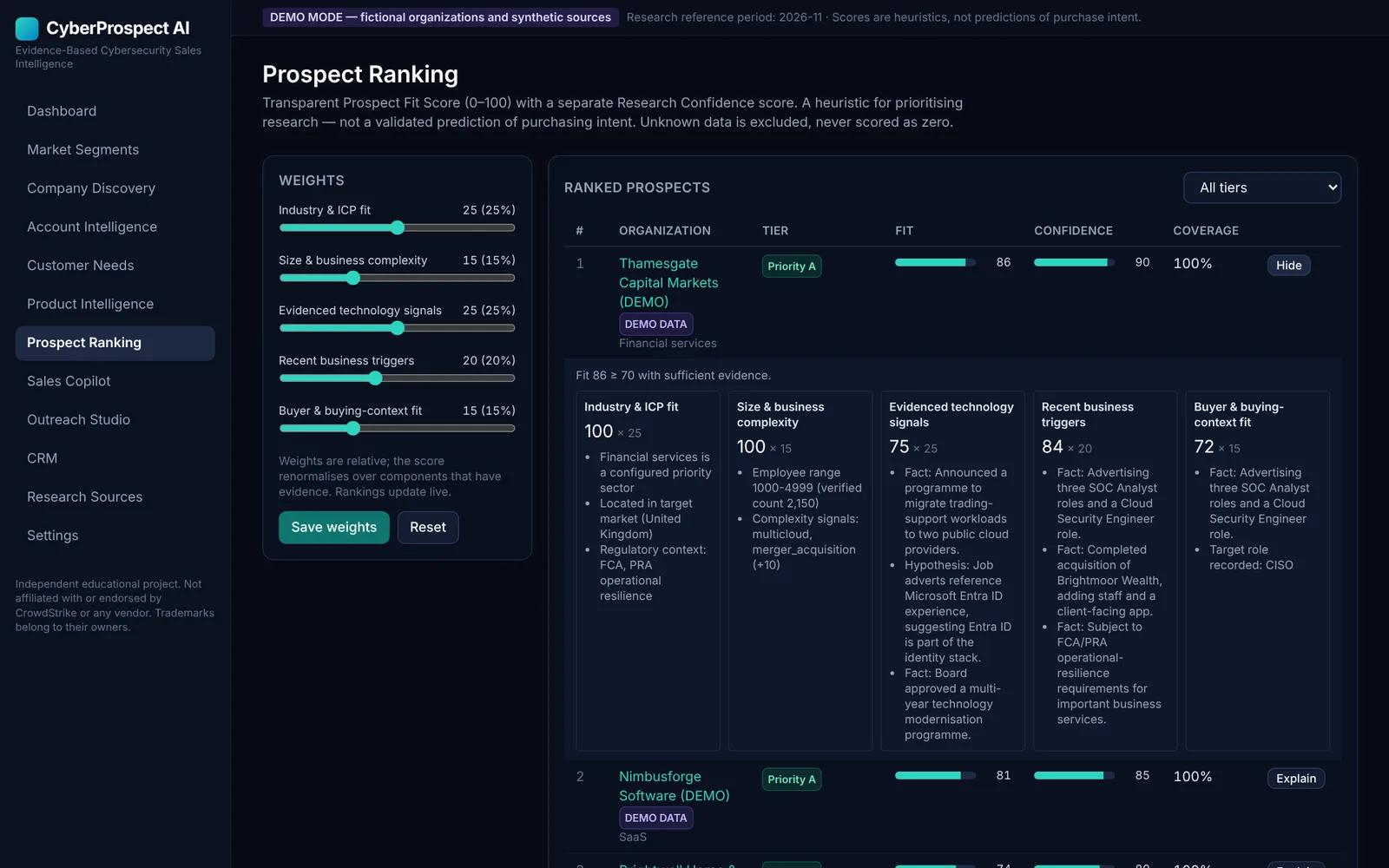
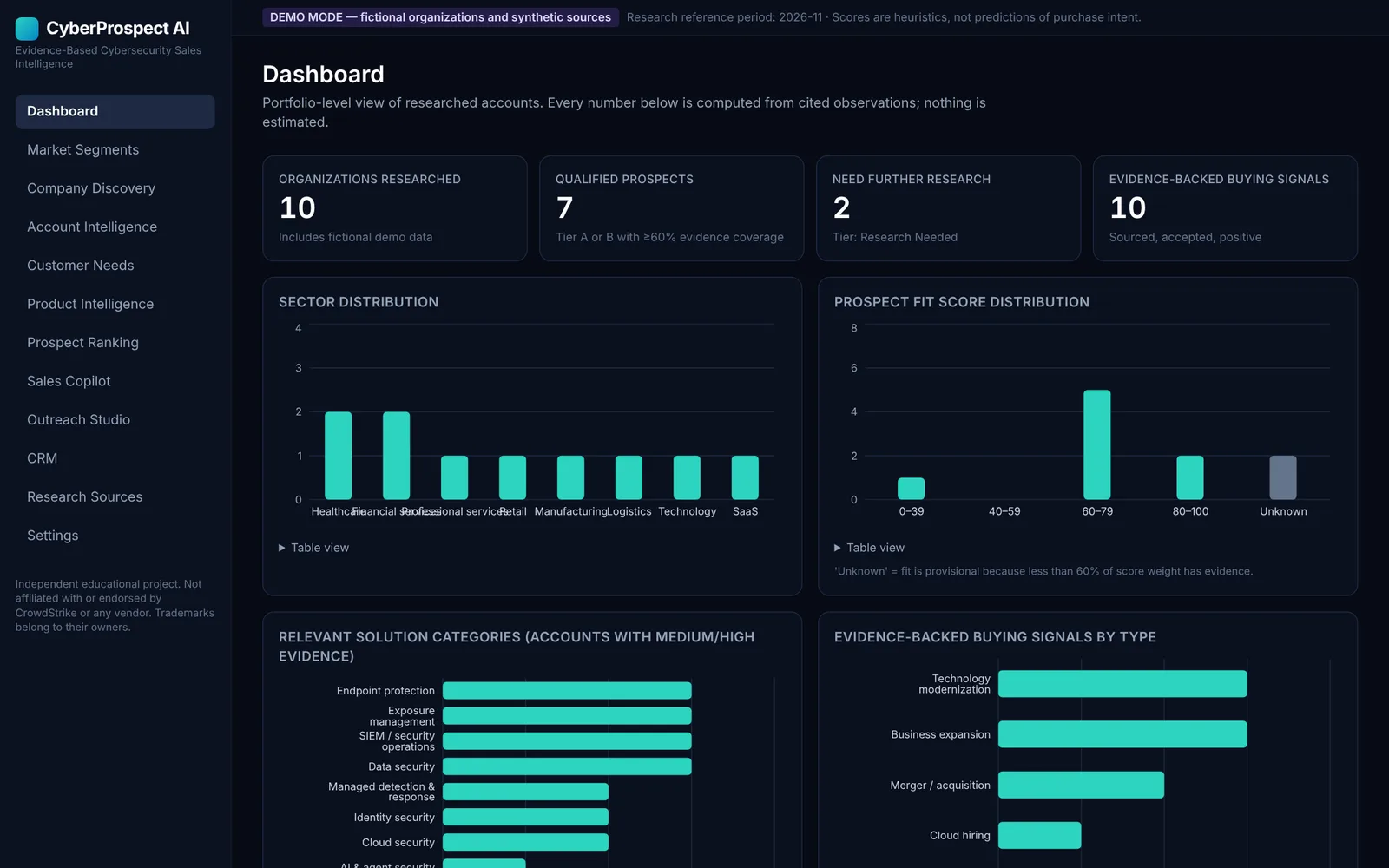
  • 1 prospecting app built for SDR research
  • 1 business I run end to end

Why cybersecurity sales

In hospitality, the part I was best at was the people side: reading a situation, finding out what someone actually needed and putting it right. In security research, the part I enjoy most is understanding how a company works and what could go wrong for it.

Sales development uses both. It means researching companies properly, understanding the business problem behind the security problem, and starting conversations that are worth the customer’s time. It’s a role where both halves of my background are useful at the same time.
What transfers to an SDR role

Discovery and listening
Ten years of finding out what guests really wanted, often when it wasn’t what they first asked for.
Building trust quickly
Regular guests came back because of how they were treated. In my repair business, repeat customers depend on the same thing.
Handling objections
Complaints and difficult conversations handled face to face, without passing them on.
Working under pressure
Busy services with a team relying on me. Staying organised when everything happens at once.
Account research
Bug bounty work starts with understanding a company before touching anything. I built CyberProspect AI to do the same for sales.
Explaining technical ideas
Writing security reports for busy, sceptical teams, and explaining phone faults to customers in plain language.

Account research example: Aviva

How I’d prepare before contacting a large UK enterprise, using only public information. Facts are sourced, guesses are labelled as hypotheses, and nothing suggests the company has a security problem.

  1. Overview and public business signals: a new Group CIO, the Direct Line integration, new FCA incident reporting rules
  2. Hypotheses about likely security priorities, clearly marked as guesses
  3. Stakeholder personas by role, with no named contacts
  4. CrowdStrike capabilities worth exploring, only if discovery confirms a need
  5. Discovery questions and a short example first email
Read the Aviva account brief Nine public sources. Independent example, not affiliated with Aviva or CrowdStrike.

Selected cybersecurity research

Authorised bug bounty research

Independent research on public programmes on HackerOne, Bugcrowd and Immunefi, within each programme’s rules. One report accepted and rewarded so far. I don’t publish details of reports, in line with responsible disclosure.

Detection home lab

A lab built around Wazuh for collecting logs, writing detections and testing them, plus a PowerShell toolkit for system health checks and incident evidence collection.

Local AI security research

Running Qwen and Gemma models on my own hardware to test where local AI genuinely helps in security research. Mostly experiments, not finished tools.

More detail
  • Research areas: web applications and APIs, mobile apps, smart contracts, blockchain consensus layers and iOS device-restore software.
  • Working environment: Linux (Ubuntu) and Qubes OS for isolating research work.
  • A passive vulnerability detection plugin for the Caido web-testing proxy, with a regression test suite.
  • AI lab setup: Ollama on an RTX 4060, with agent orchestration and pgvector retrieval still at the experiment stage.

Skills

Customer and commercial

Discovery conversations, active listening, handling objections and complaints, building rapport, account research, clear writing.

Security

Web, API and mobile testing (Burp Suite, Caido), smart contract review (Foundry), Wazuh, Linux (Ubuntu) and Qubes OS.

Technical

TypeScript (Next.js), Python, PowerShell, SQLite. Learning C and C++.

Education

BSc International Tourism and Hospitality Management

Project management, short course

Let’s talk

I’d welcome a short call to talk about the role, and I’m happy to walk you through CyberProspect AI or the Aviva example.

Download CV

Plamen Botev

Sales Development Representative candidate, cybersecurity

Customer-facing professional moving into cybersecurity sales. I bring ten years of hospitality experience and independent security research on public bug bounty programmes (HackerOne, Bugcrowd, Immunefi). I haven’t worked as an SDR yet. To prepare, I built CyberProspect AI, an account research tool, and used the same method to research Aviva as a worked example.

Experience

Independent security researcher

Authorised public programmes on HackerOne, Bugcrowd and Immunefi

  • Researched 15+ public programmes across web apps and APIs, mobile, smart contracts, blockchain consensus layers and iOS device-restore software.
  • Wrote evidence-led reports for busy, sceptical security teams. One report accepted and rewarded.
  • Learned how security teams triage: what they act on, what they reject and why.

Owner, phone repair business

Self-employed

  • Run the whole customer cycle myself: finding customers, quoting, repairing and following up.
  • Explain technical faults in plain language so customers can decide quickly.

Hospitality, customer-facing roles

  • Ten years of front-line service in busy, team-based venues.
  • Resolved customer complaints and difficult situations while maintaining positive relationships.
  • Built repeat business by remembering people and what mattered to them.

What transfers to an SDR role

  • Discovery and listening: finding out what guests really needed.
  • Building trust: repeat guests, and repeat customers in my repair business.
  • Objection handling: complaints handled face to face.
  • Working under pressure: busy services with a team relying on me.
  • Account research: bug bounty work starts with understanding the company.
  • Explaining technical ideas: security reports and customer repairs.

Featured project: CyberProspect AI

An account research tool I built to prepare for SDR work. It runs locally; demo available on request.

Account research example: Aviva plc

A short brief showing how I’d prepare before contacting a large UK enterprise: public business signals (a new Group CIO, the Direct Line integration, new FCA incident reporting rules), hypotheses labelled as guesses, stakeholder personas, discovery questions and an example first email. Read it at www.plamenbotev.uk/brief.

Selected research and labs

Detection home lab
Wazuh-based lab for writing and testing detections.
SOC triage toolkit
PowerShell health checks and incident evidence collection.
Web-testing proxy plugin
Passive vulnerability detection for Caido, with regression tests.
Local AI security research
Qwen and Gemma models on my own hardware. Experimental.